


Band Communication 101: How to Sound Better and Have Better Gigs
- Randy Hess
- Jan 23
- 4 min read


Communication is one of the most important aspects of playing music, both on and off stage. You cannot truly make great music without it, and it is essential for a successful gig.
The Three Key Areas of Musical Communication
There are three critical areas where communication matters. Of course, you need it on stage, but you also need it before the gig. The other two areas are communication between you and your bandmates, and communication between your band and the venue. Everyone should be on the same page before you ever step on stage—or even into the venue.
Let’s take a look at each of these three areas.
No one makes better music than musicians who gel together and play as one entity, rather than several individuals sharing a stage. That’s easy when a gig allows for plenty of rehearsals, giving everyone time to talk things out and get aligned. But what about those of us who don’t get to rehearse together? In those situations, communication becomes absolutely essential.
A set list with the keys clearly marked always helps—but make sure the correct key is listed. I often see players write down the chord a song starts on, which isn’t always the key of the song. This can lead to a train-wreck intro if everyone isn’t playing the same chords. Be alert, and if you spot an error on the set list, speak up before the song starts so everyone is together. If there’s no set list, it’s even more important to confirm the key before each song, especially with new or obscure material.
Most bands don’t have the exact instrumentation of the original recording, so make sure whoever is playing the intro knows they’re responsible for it. Once the song begins, lead players must communicate who is filling where and who is taking solos. You don’t want two people attempting to fill or solo at the same time. As I mentioned in my last blog, the visual aspect of music is crucial. Eye contact between musicians is key. My favorite situations are when another lead player and I are constantly watching each other, visually communicating back and forth. A heads-up to everyone on stage: be aware when this is happening and avoid blocking sightlines, especially before and during solos.
I believe the most important parts of any performance are starting and ending together. The audience may overlook small mistakes during a song, but they will absolutely notice botched intros and endings. When you reach the end of a song, make sure everyone is together. It’s often best to have one person—usually the guitar player—cue the ending, with everyone paying close attention.
Follow this approach throughout an entire night’s performance and the audience will respond accordingly.

Pre-Gig Band Communication: Setting Expectations Early
Now let’s talk about band communication before the gig. We live in a world full of technology that makes communication easy—if everyone uses it properly. Everyone needs to know all the details of the gig, including load-in times, and that information must be shared well in advance. Group texts and emails are the most common tools for this today. If you receive a group text or email, make sure you respond—even if it’s just a thumbs-up—so the sender knows you saw it. If you’re the one sending the message, it’s your responsibility to make sure everyone responds, and to follow up if they don’t. I’ve seen players miss bus calls and rehearsals due to a lack of response from musicians, but also because the sender didn’t confirm the message was received.
Texting Etiquette for Musicians
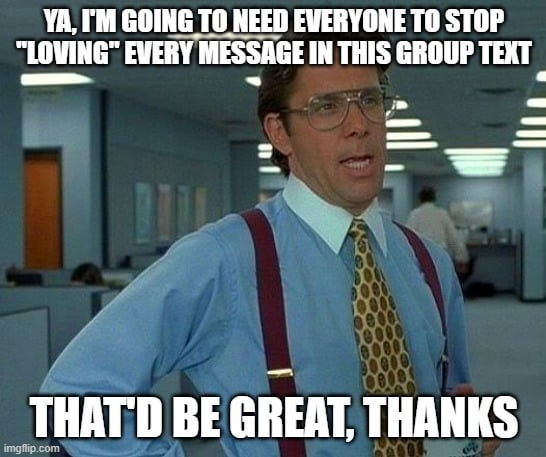
That leads to group texting etiquette. Remember that everyone’s phone goes off every time someone responds. Be respectful of the group. While it’s important to acknowledge that you received the message, it’s unnecessary to respond to everyone else’s responses. There’s no need to “like” a thumbs-up. That only adds more notifications for everyone else.
Don’t use the group thread for unnecessary or irrelevant comments. If you need to message one person, take it off the group thread. Blowing up everyone’s phone for no reason is a quick way to frustrate people. I stay busy, and while I make a point to check my messages, constant notifications for things that don’t involve me can be very annoying.
One last point on this, emails do not get read as often as texts, so a “check your email” text will help.
Band Leader and Venue Communication
Lastly, let’s talk about communication between the band leader and the venue. I’ve written a separate blog detailing exactly what needs to be discussed, so I’ll simply say this: it must be done in a timely manner and then relayed to the band just as promptly. Most of this communication should take place weeks before the gig to ensure everything runs smoothly.
As a sideman, if you have questions, reach out to your band leader and let them handle communication with the venue. For most gigs, there should be only one point of contact. Multiple people reaching out to the venue can create confusion and come across as unprofessional.
Bringing It All Together for a Better Gig
When everyone is on the same page—both musically and logistically—you set yourself up not only for a great performance, but for an enjoyable night of making music together, and an audience that truly appreciates it!
Enjoy your music!
Randy Hess
Musician/producer


Comments